Articles
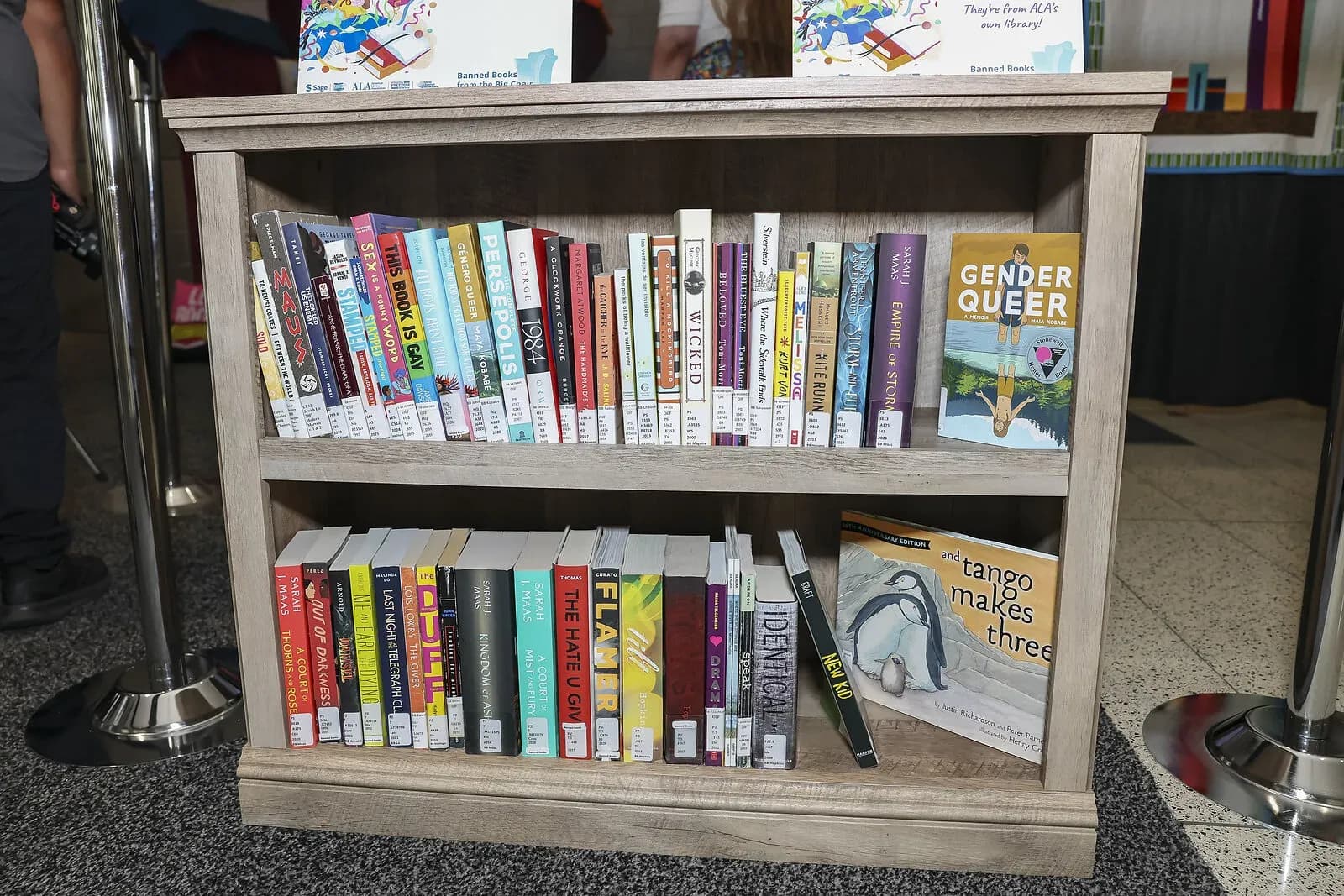
Gender Queer Tops the American Library Association's Ranking of the Most Challenged Books Since 1990
Ellen Hopkins has 14 of the 153 titles, more than any other author, while To Kill a Mockingbird ranks No. 65.
Rick Tabor's Sci-Fi Political Thriller The Blink of Humanity Explores the Dire Cost of Political Corruption
The Blink of Humanity follows a bioengineer with epilepsy and her robot companion as they set out to bring a corrupt US president to justice after a nuclear attack on Chicago.
Hanns Scharff's Son Chris Scharff Traces His Family's Path From Wartime Germany to Africa and America in WWII Memoir
Born in Greiz in 1936, the Carlsbad author spent 20 years in South Africa and Rhodesia before joining his father in Los Angeles, and in retirement met one of the American pilots his father had interrogated.
Physician Associate and Spiritual Coach Elizabeth M. Lykins Says Lasting Change Begins in Stillness
An urgent care provider since 1996, Elizabeth wrote Reflections on Transcendence, which features 59 paintings by her lifelong friend, the late expressionist Steven D. Lyons, who selected each painting to match the text.
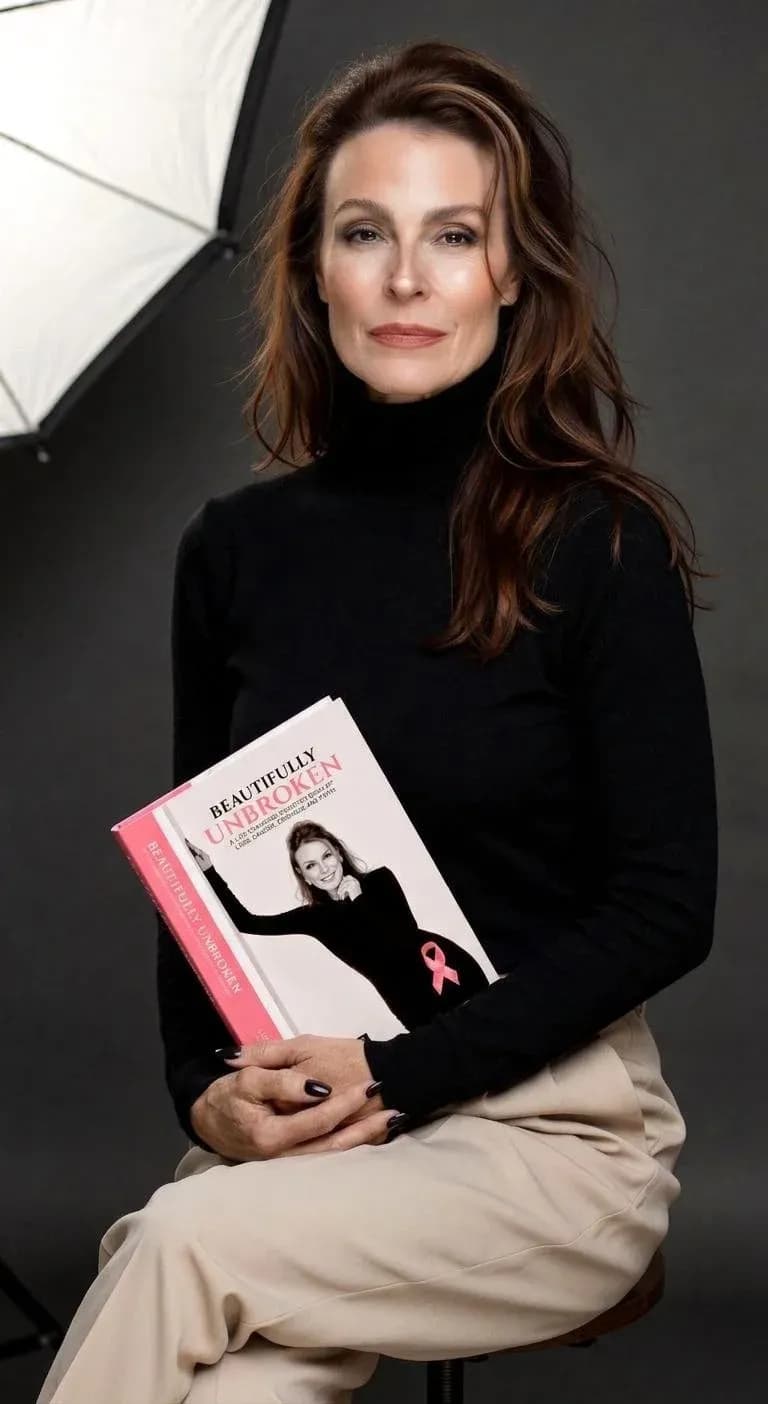
Beautifully Unbroken Review: The Shower Shirt Inventor's Breast Cancer Memoir Begins with the Loss of Her Mother
The medical journalist who patented The Shower Shirt after her own mastectomy tells the story behind it, and the story of the mother she lost two weeks after her wedding, in a memoir that will be of most use to a woman with surgery ahead of her.
.jpg&w=1920&q=75)
George Clooney at Venice Film Festival 2026 warning on authoritarians who silence journalists and storytellers first
Collecting the festival's top career honour at 65, Clooney told reporters that deepfakes let people dismiss real evidence as fake, then used his acceptance speech to say authoritarians silence journalists and artists first.
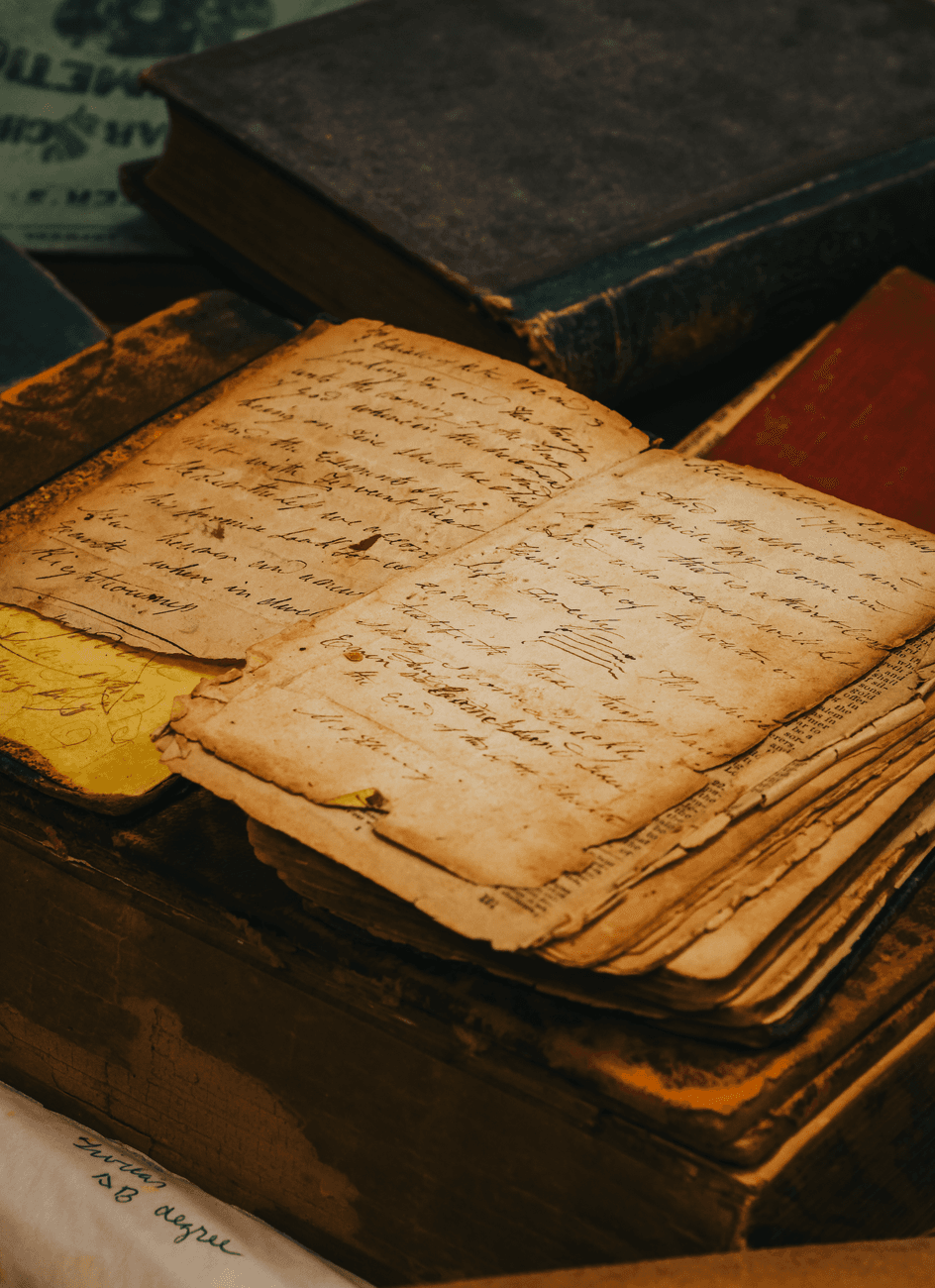
Shakespeare's First Folio Found in Saint-Omer
The story of the Saint-Omer copy of Shakespeare's First Folio, catalogued for two centuries as a worthless eighteenth-century reprint before a librarian looked twice.
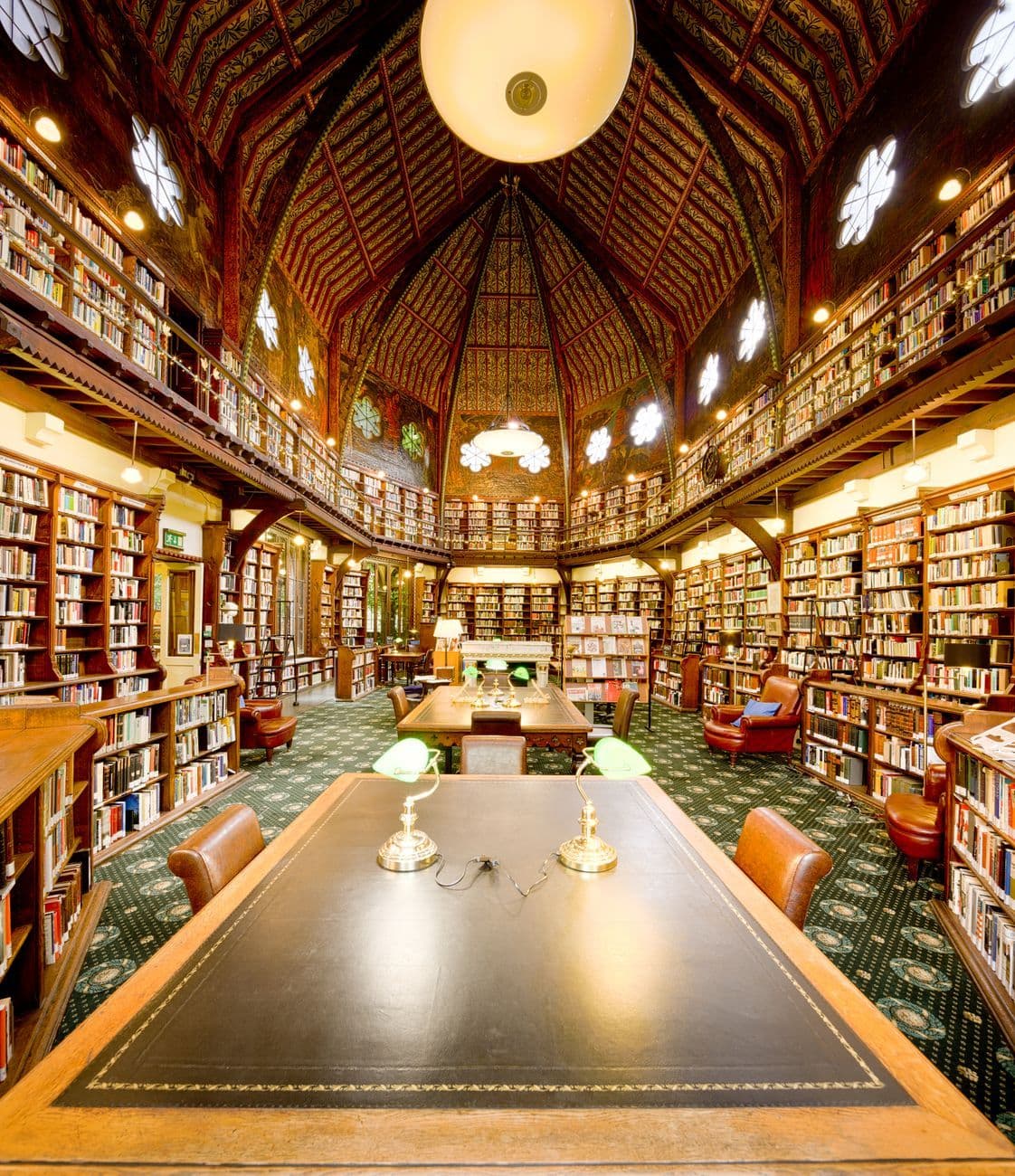
Books Preserve a Civilization's Literary and Artistic Heritage
We reflect on how books preserve literary and artistic heritage. The identity a civilisation carries forward each time it keeps a book alive from one generation to the next.
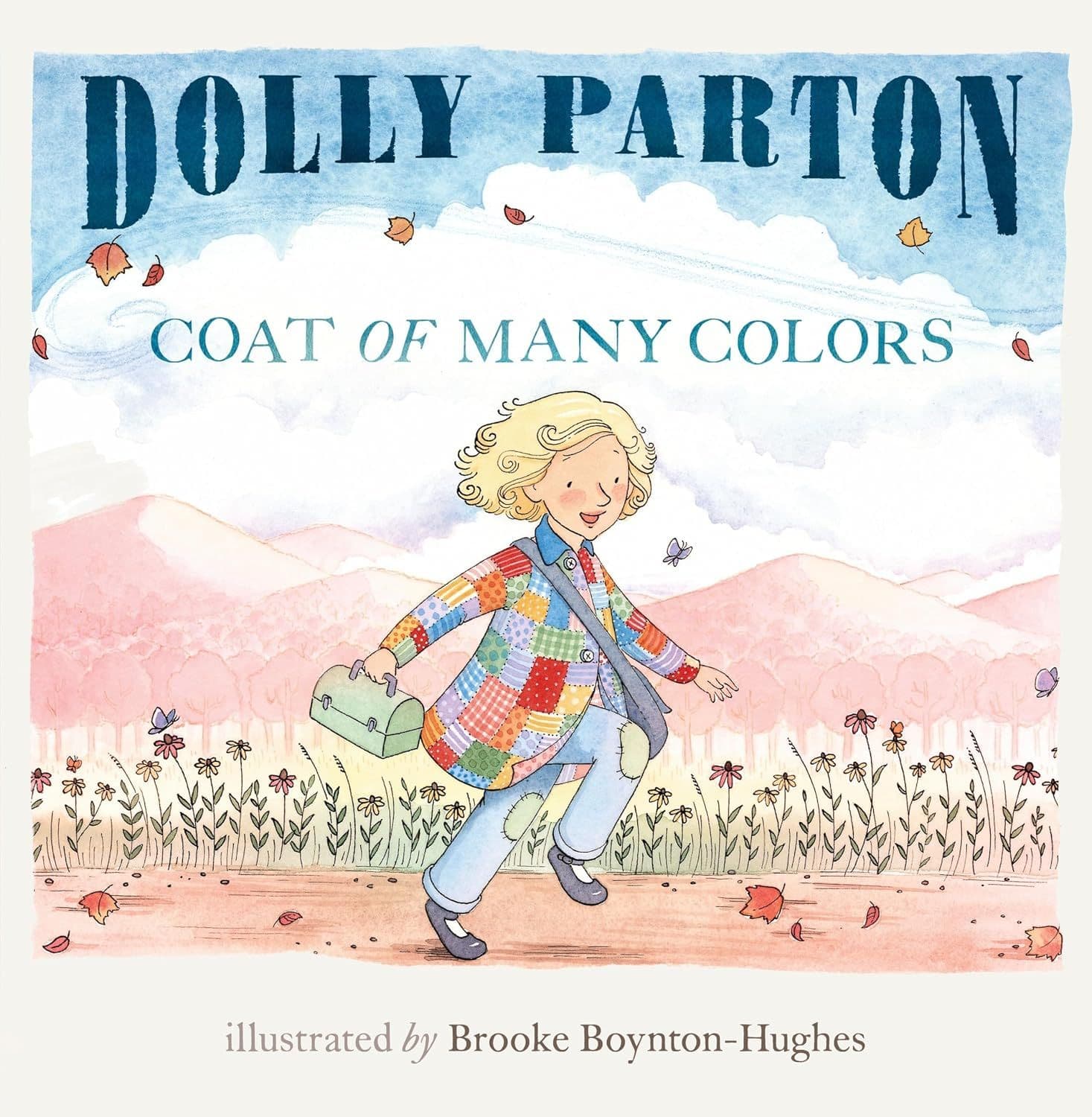
The Book Lady: How Dolly Parton's Imagination Library Gifted 332 Million Books
Celebrating Dolly Parton's literacy legacy, the Imagination Library she built for her father, who never learned to read.
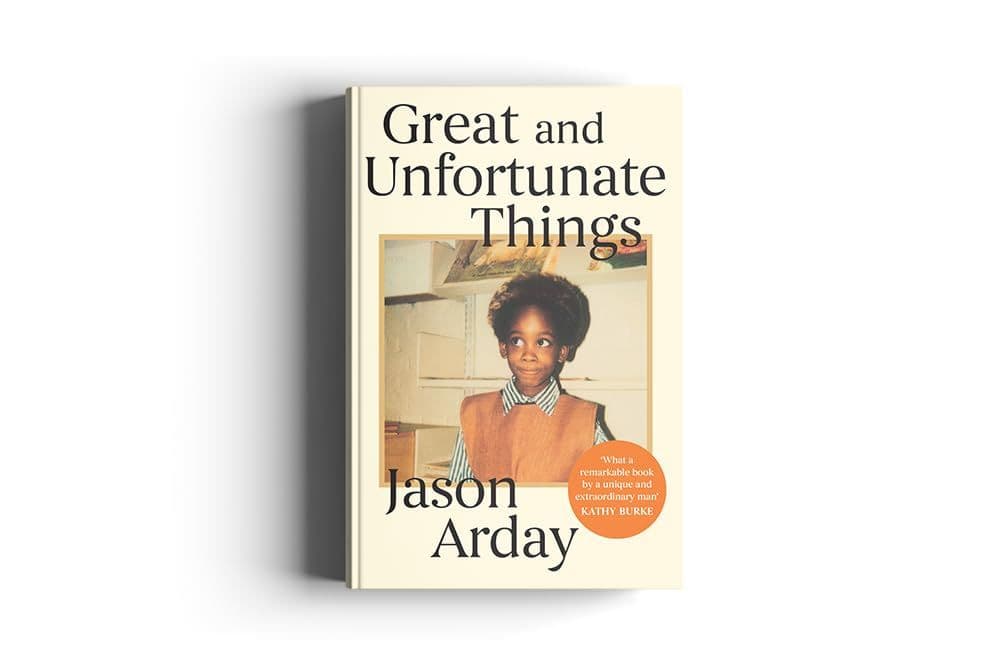
Great and Unfortunate Things: The Memoir Jason Arday Leaves Behind
What Jason Arday's memoir Great and Unfortunate Things tells, and how critics have received it, following his death days after its US publication.
Jason Arday, Cambridge's Youngest Black Professor, Dies Days at 41 After His Memoir is Published
Jason Arday resigned from Cambridge on 5 August amid allegations of academic misconduct he denied. His memoir was published three days before he was found dead at his London home, prompting tribute from colleagues and renewed debate over how certain media reporting against him, not about him, were conducting toxic journalism.
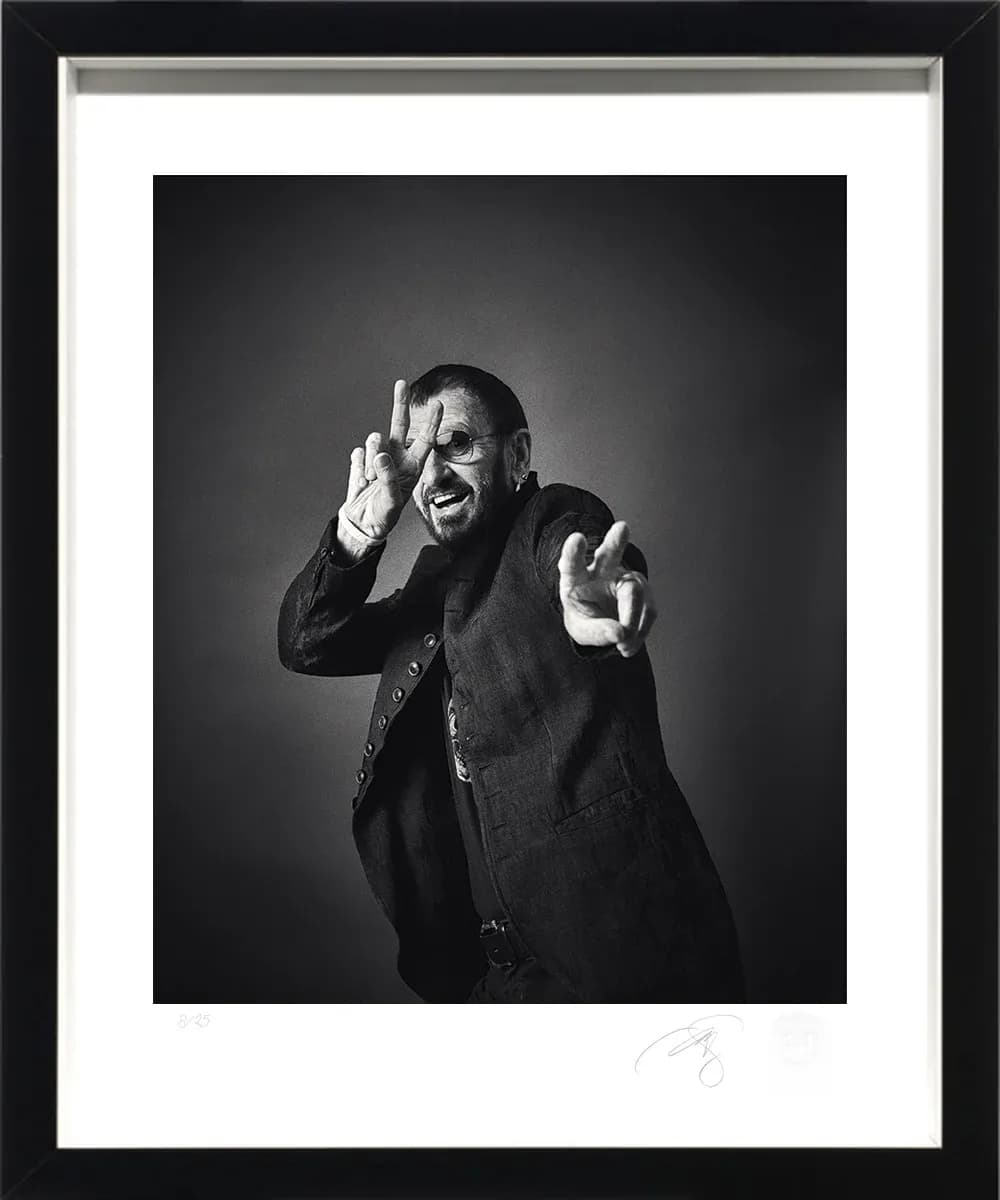
A Music Photographer Is Hanging His Marked-Up Contact Sheets Next to the Finished Prints
Andy Gotts brings forty portraits to Santa Barbara for his first California show, and six of them carry the sitter’s signature as well as his own.